For the first time in a decade, South Africa enters a new year not with trepidation but with tangible momentum. The economic outlook for 2026 suggests we are entering a recovery and structural realignment cycle. For developers, business owners, and logistics planners, the signals are clear: the “wait and see” approach of the early 2020s is effectively over.
With the Rand strengthening, interest rates easing, and business sentiment hitting multi-year highs, the question is no longer if expansion will happen, but where the infrastructure to support it will come from.
Here is an analysis of the economic landscape for 2026 and what it means for the property and construction sectors.
- The Macro Picture: A Stabilising Core
The defining feature of early 2026 is stability. Following the formation of the Government of National Unity (GNU) and a subsequent credit rating upgrade from S&P Global in late 2025, the risk premium on South African assets has lowered.
- The Rand’s Renaissance: Trading firmly in the mid-R16s against the Dollar, with upside potential to R15.70, the stronger Rand is a game-changer for construction. It reduces the cost of imported machinery, fuel, and raw material inputs, making capital projects more viable than they have been in years.
- Interest Rate Relief: With the SARB aggressively cutting rates (projected 50bps cuts in 2026 following the 100bps in 2025), the cost of capital is falling. This creates a “sweet spot” for financing new steel structures and industrial developments before the inevitable rise in building material costs driven by demand.
- Inflation Control: The new 3% inflation target anchor provides predictability for long-term operational cost planning.
- The Industrial Property & Logistics Boom
If there is one sector that mimics the trajectory of the First World most closely, it is the industrial property market. We are witnessing a fundamental shift in how South Africans shop, and it is reshaping our built environment.
E-commerce in South Africa is no longer a niche; it is a structural driver of the economy. With online retail sales projected to pass R100 billion in 2026, the traditional retail supply chain is being upended.
- The Shortage: Nationally, industrial vacancy rates are at a historic low of ~3.8%. In logistics hubs like Cape Town and the Durban-Gauteng corridor, high-spec warehousing is virtually sold out.
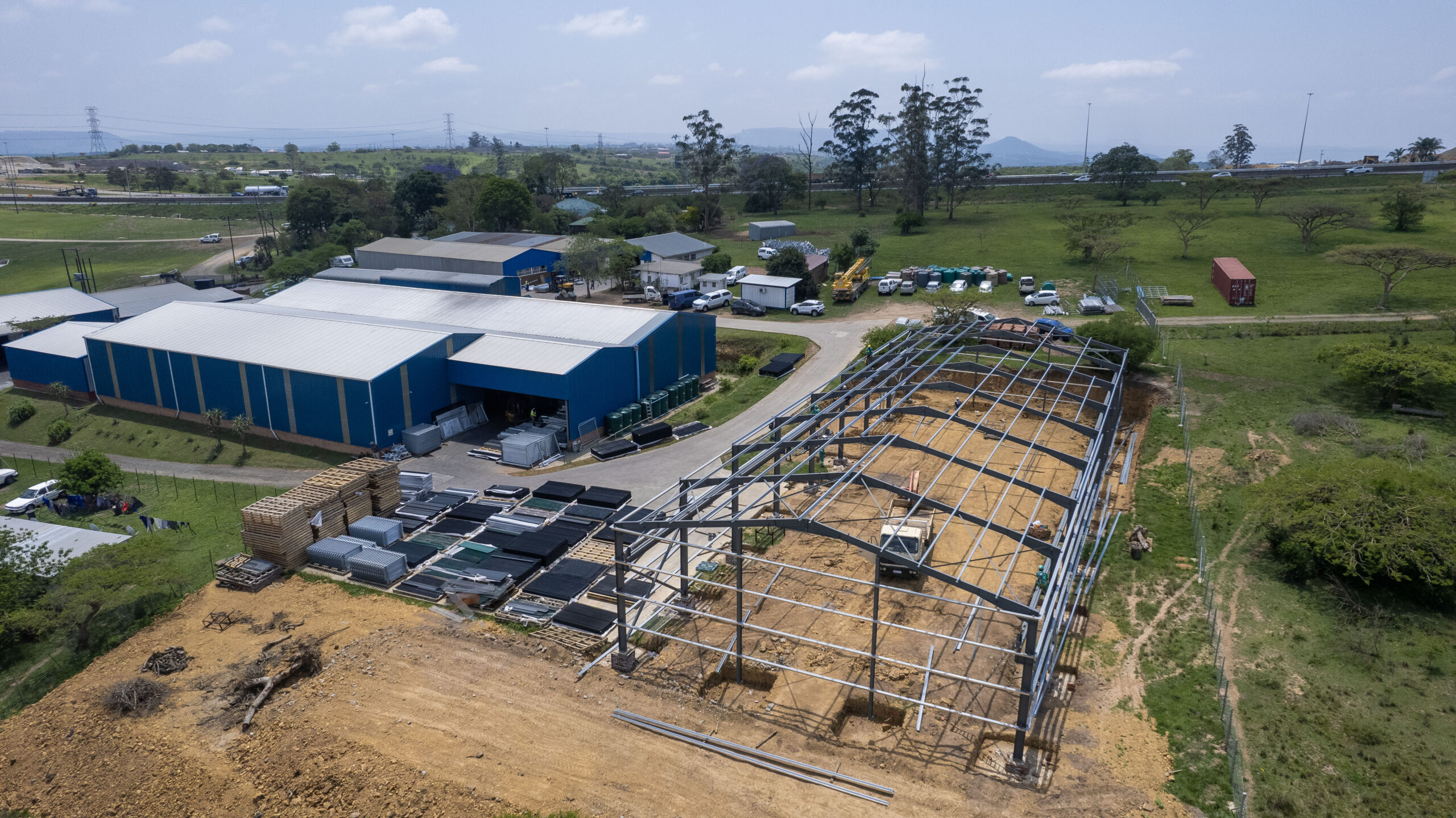
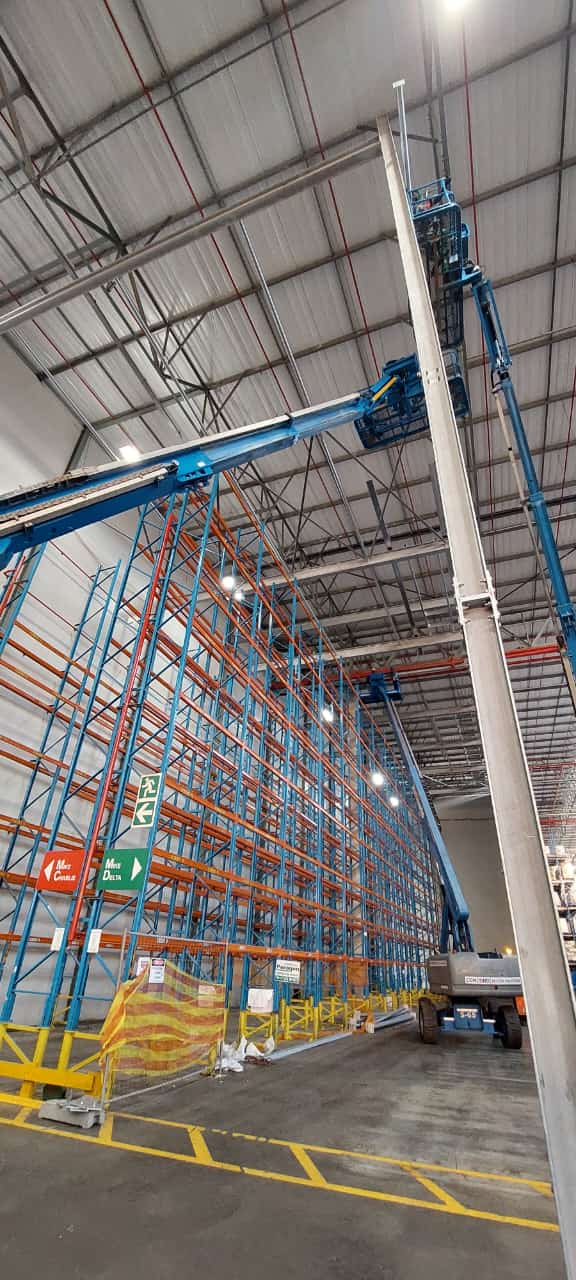
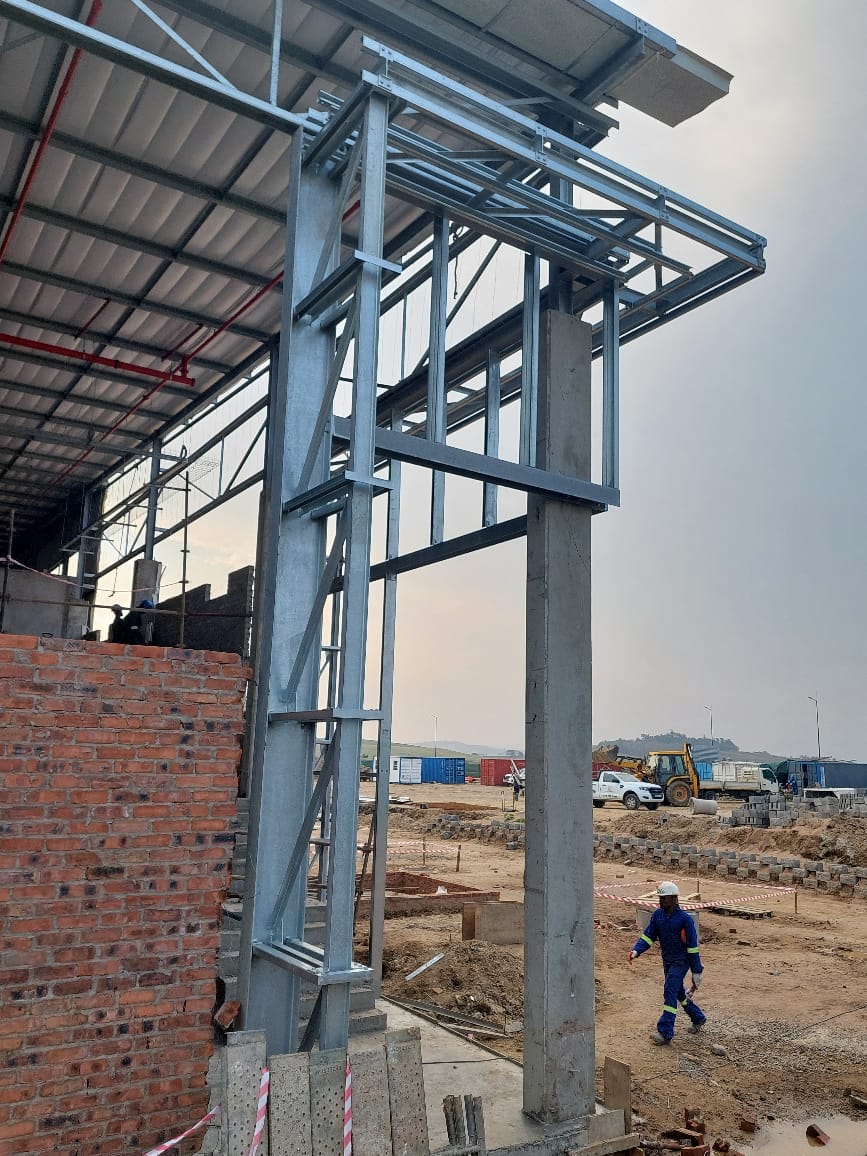
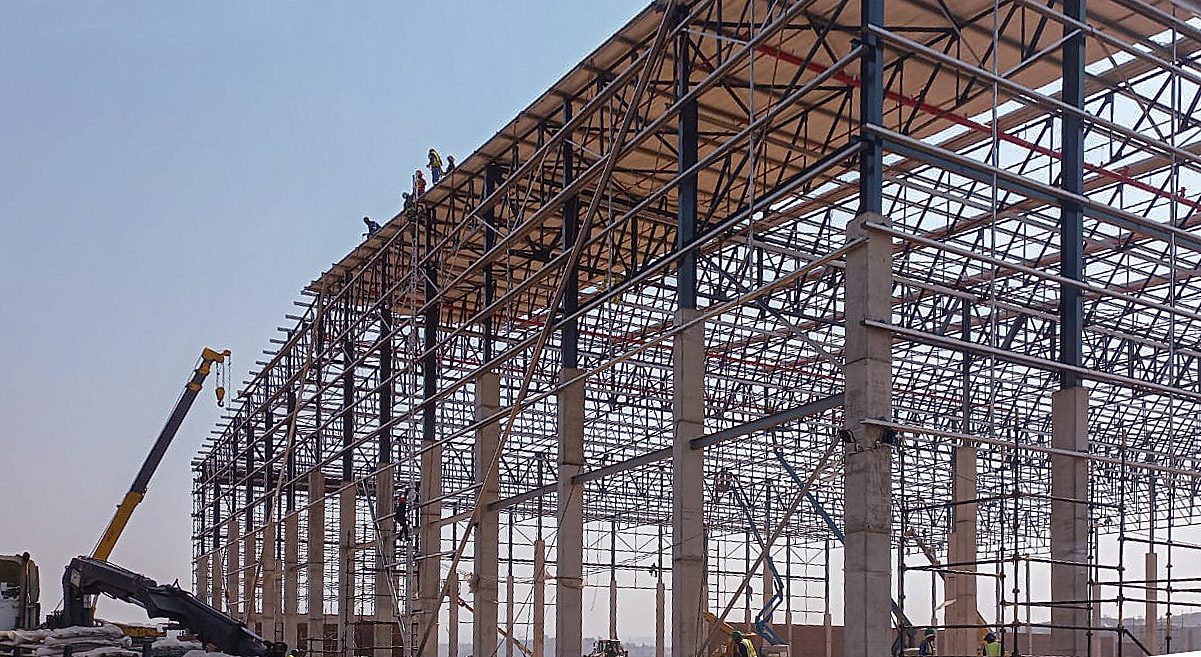
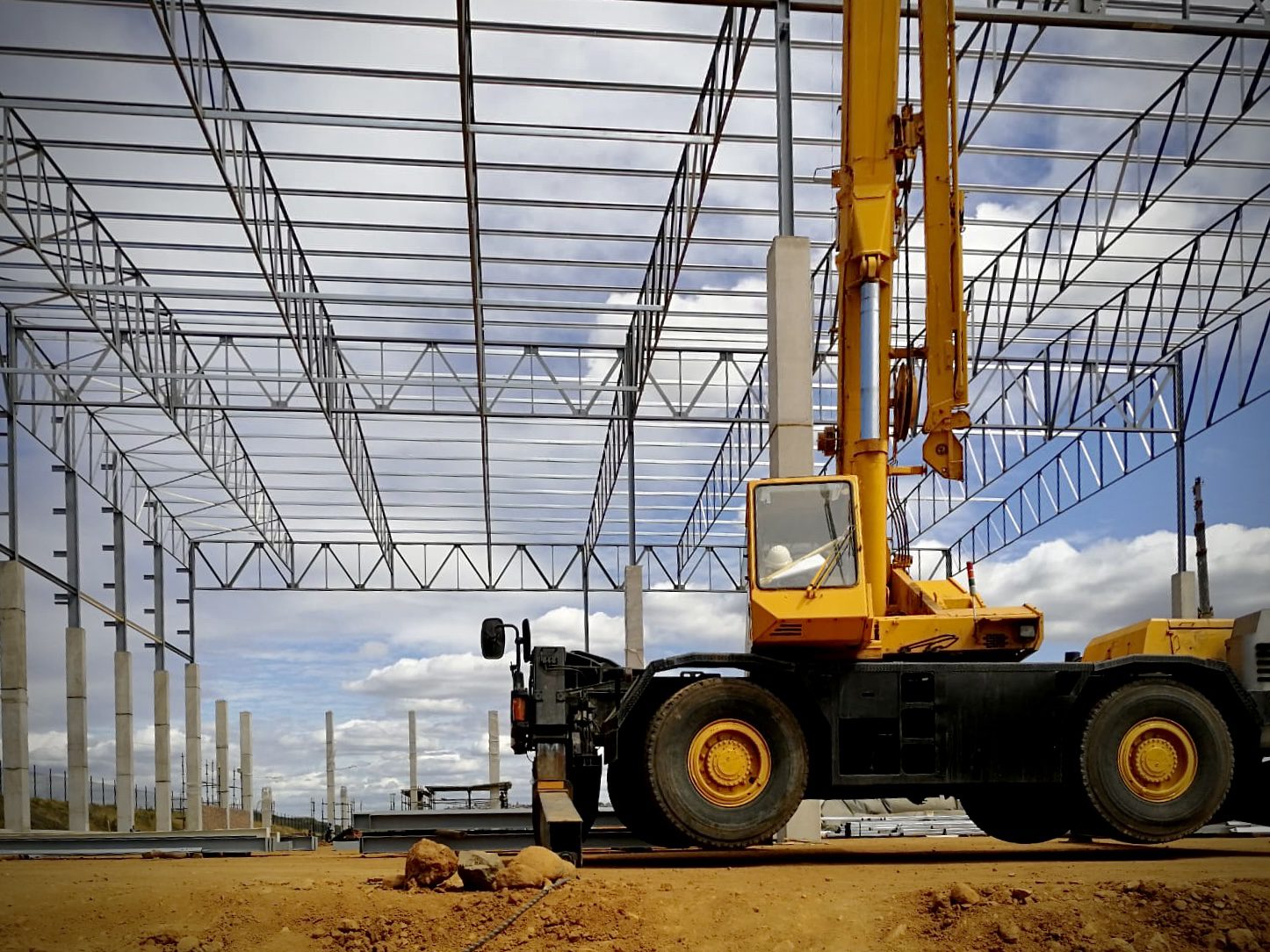
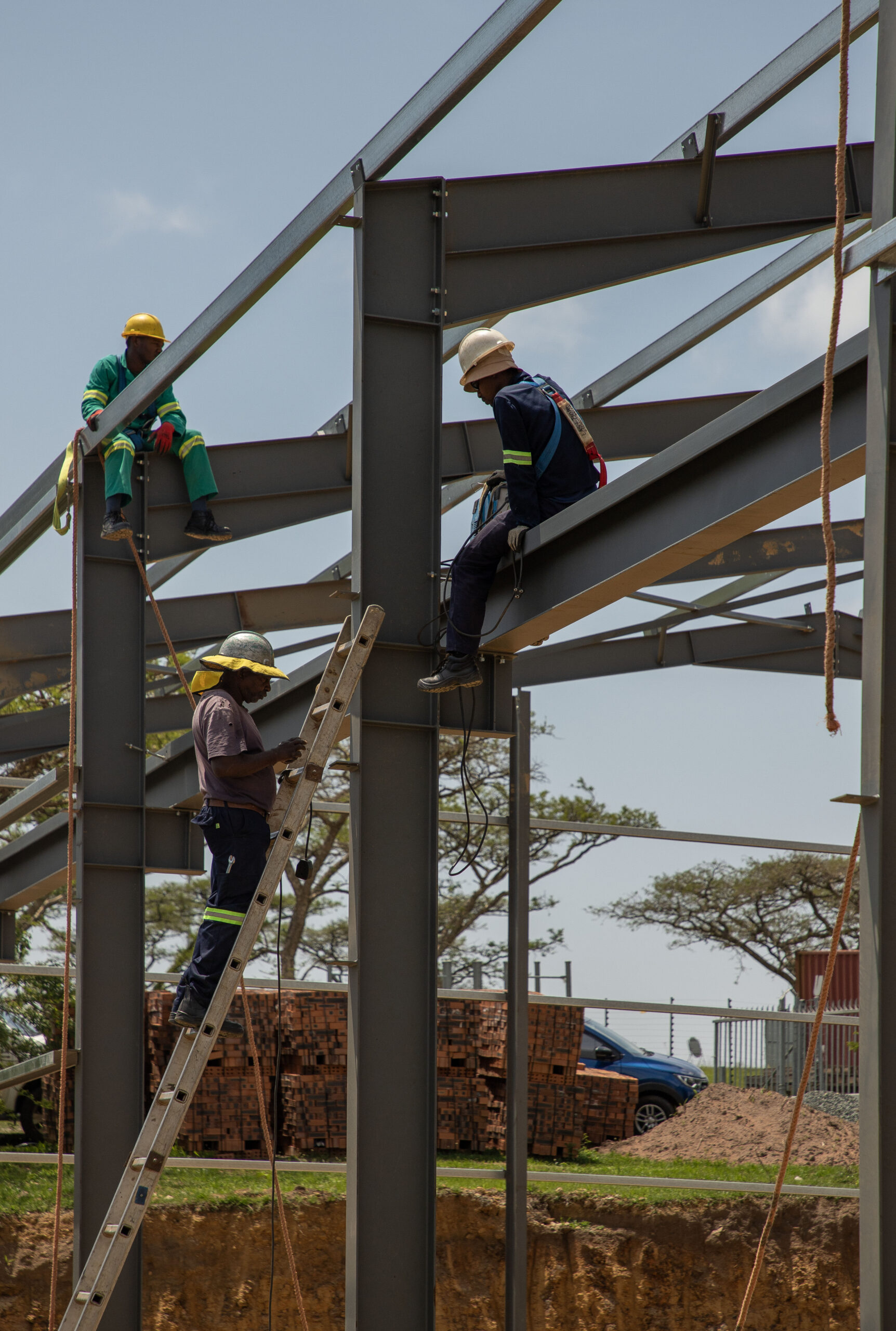
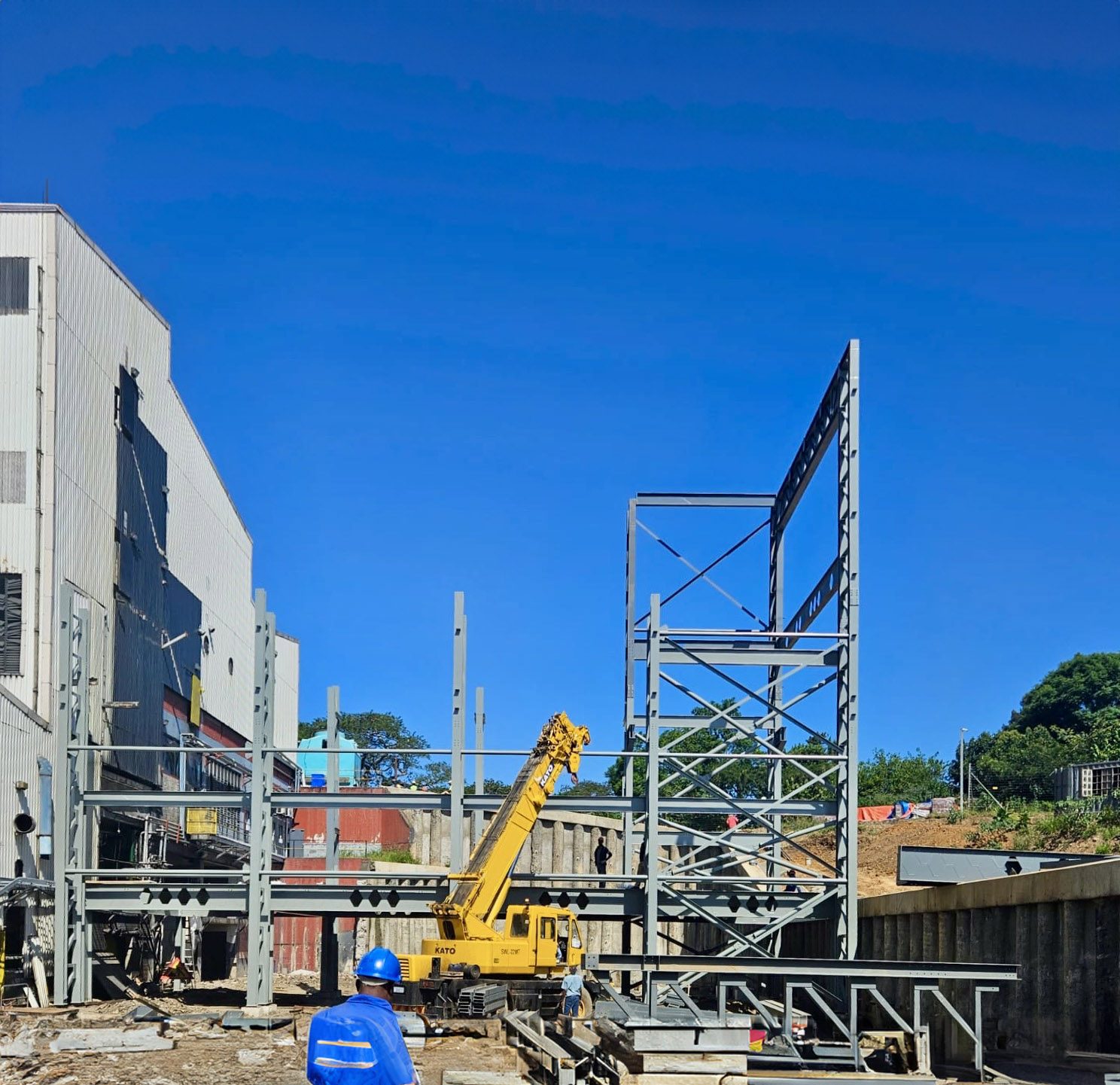
- The New Requirement: Old brick factories don’t work for modern logistics. The market demands “High-Cube” steel structures; facilities with 15m+ eaves heights, few internal columns, and roofs designed to carry heavy solar loads.
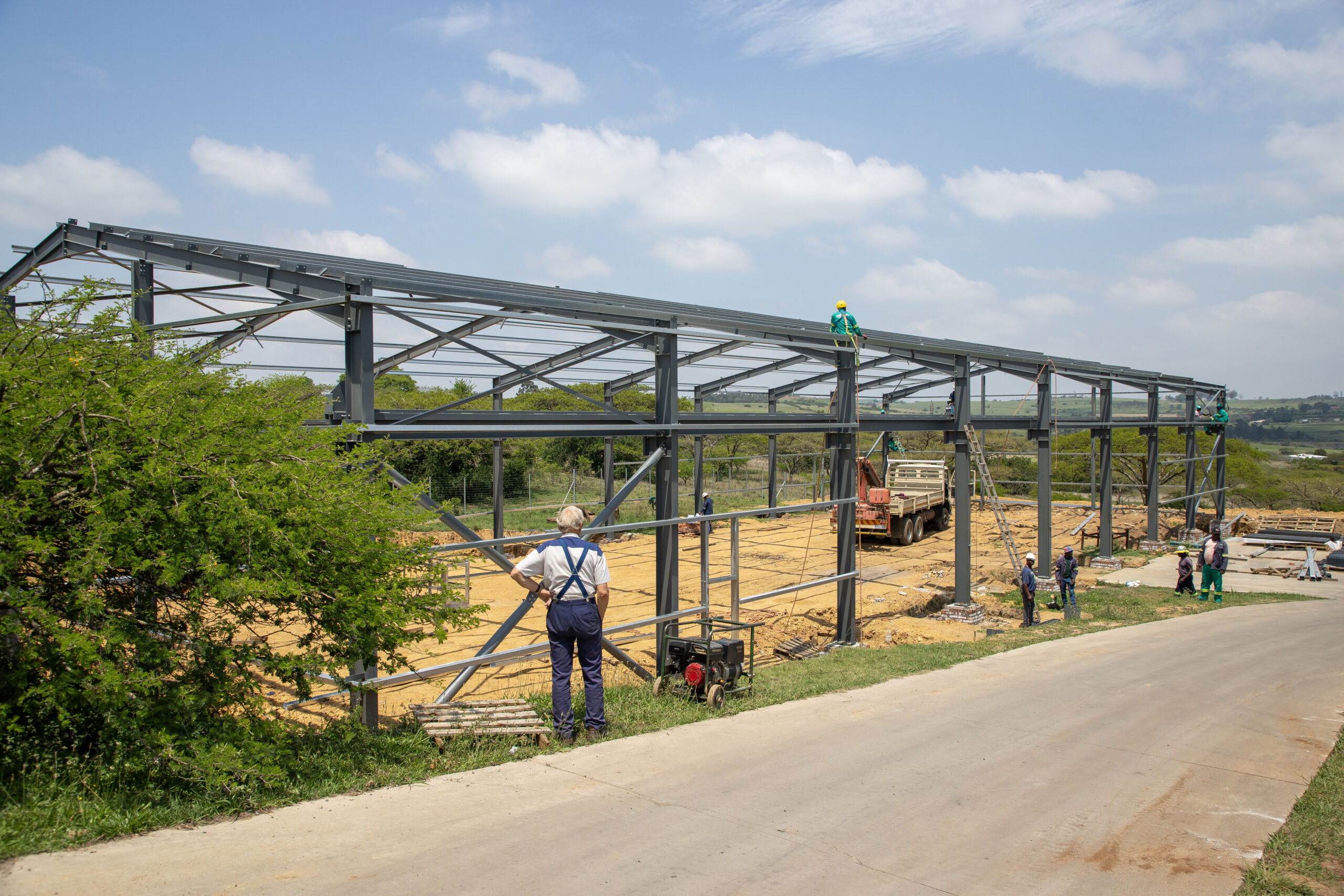
- The Opportunity: As businesses pivot to “Just-in-Case” inventory models (holding more stock to buffer against supply chain shocks), the demand for rapid-build steel warehousing is skyrocketing. We are seeing a rush for:
- Mega-Distribution Centres: 20,000m²+ facilities on the urban periphery.
- Micro-Fulfilment Hubs: Smaller, 2,000m² steel structures located inside residential suburbs for “last-mile” delivery (the 60-minute delivery promise).
- Agriculture: The Export Engine Needs a Roof
While industrial property grabs the headlines, the agricultural sector remains South Africa’s silent performer. The stronger Rand helps farmers with input costs (fertilizer and diesel), while the opening of new markets in the East keeps demand high.
However, climate volatility and export rigour are changing what farmers build.
- Cold Storage: With the cold chain market growing at nearly 9% annually, there is a critical shortage of temperature-controlled environments. Steel structures insulated for cold storage are the fastest-growing asset class on farms.
- Risk Mitigation: Hail netting structures and covered processing facilities are no longer optional; they are insurance policies against erratic weather.
- Processing at Source: To capture more value, we are seeing a trend of “agri-processing” plants being built directly on farms, requiring food-grade industrial steel shells.
- Commercial & Retail: The Great Repurposing
The commercial office sector remains under pressure, particularly in Gauteng, but “doom and gloom” is the wrong narrative. The story here is adaptation.
- Retail Evolution: The “dead mall” narrative of the US hasn’t fully hit SA, but the function is changing. Retail centres are becoming logistics nodes. We are seeing back-of-house areas in malls being converted into “dark stores” for grocery delivery apps.
- Hybrid Workspaces: The return-to-office trend is stabilising at a hybrid model. This drives demand for smaller, decentralized office parks closer to where people live; often requiring quicker, lighter steel construction methods than the concrete behemoths of Sandton.
- The First World Lag: Catching Up to the Curve
When we look at markets like the US or UK, we see a “lag” of about 3-5 years which South Africa is now closing rapidly.
- Automation: In Europe, warehousing is 50% building and 50% robotics. South Africa is entering this phase. Our buildings now need to be “robot-ready”; super-flat floors and precision steel engineering are prerequisites.
- The “Country of Warehouses”: There is a fear that SA becomes a nation of importers. However, the counter-trend is re-shoring. As global shipping remains volatile, local manufacturing is ticking up. Construction companies are seeing inquiries not just for storage, but for production lines; factories returning to local soil to serve the African continent.
Conclusion: The Window is Open
The economic outlook for 2026 presents a rare alignment of factors:
- Cheaper Capital (Lower interest rates).
- Cheaper Imports (Stronger Rand for machinery/materials).
- Critical Shortage of Space (Record low vacancies in industrial).
For businesses waiting for the “right time” to expand their footprint, whether adding a distribution hub, covering a packhouse, or building a new factory, the indicators suggest that time is now. The First World trajectory shows us that the demand for logistics space is not a bubble; it is the new normal.
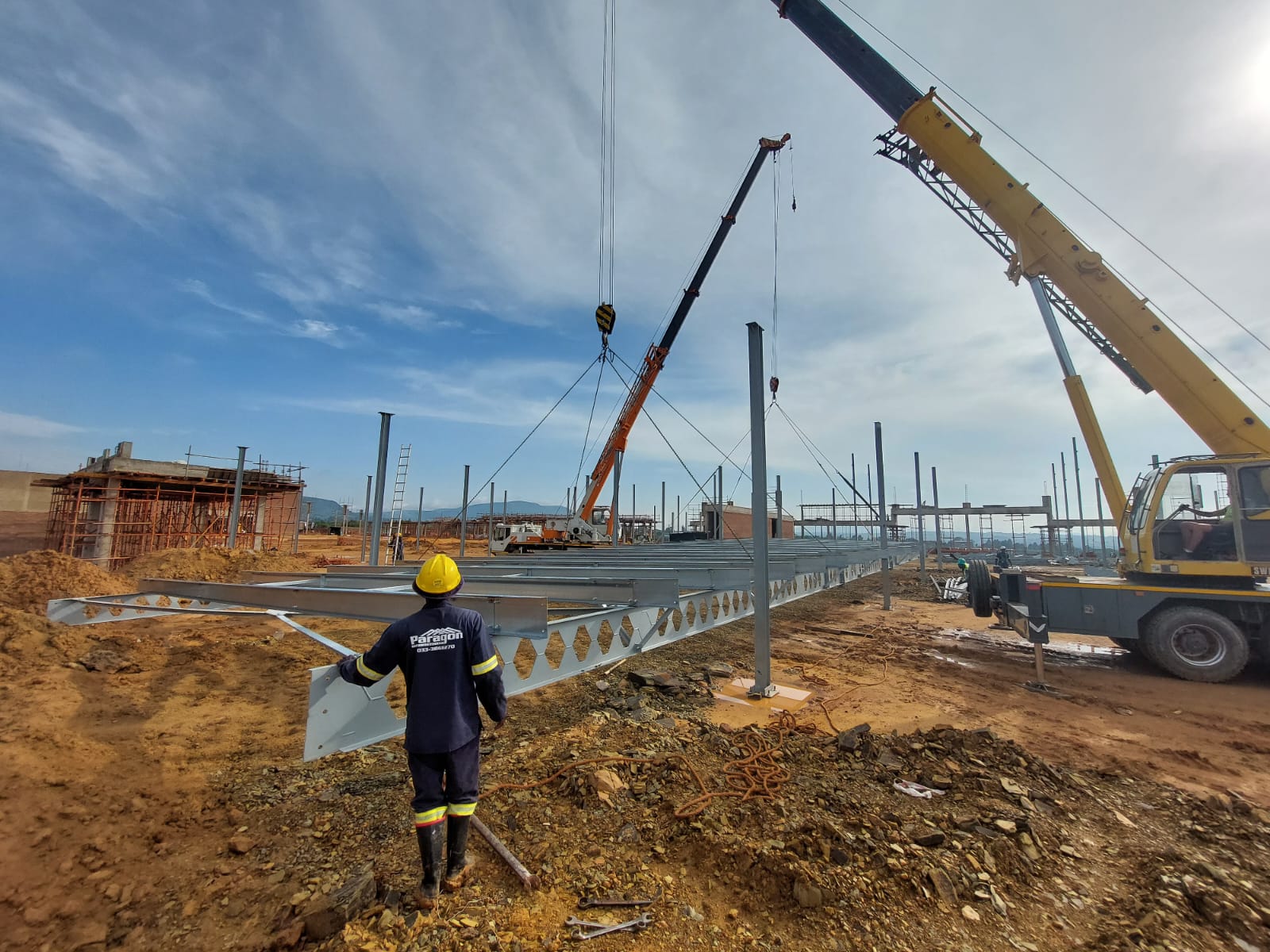
Paragon Steel Structures is ready to support this growth phase with rapid, precision-engineered solutions that meet the demands of 2026 and beyond.